
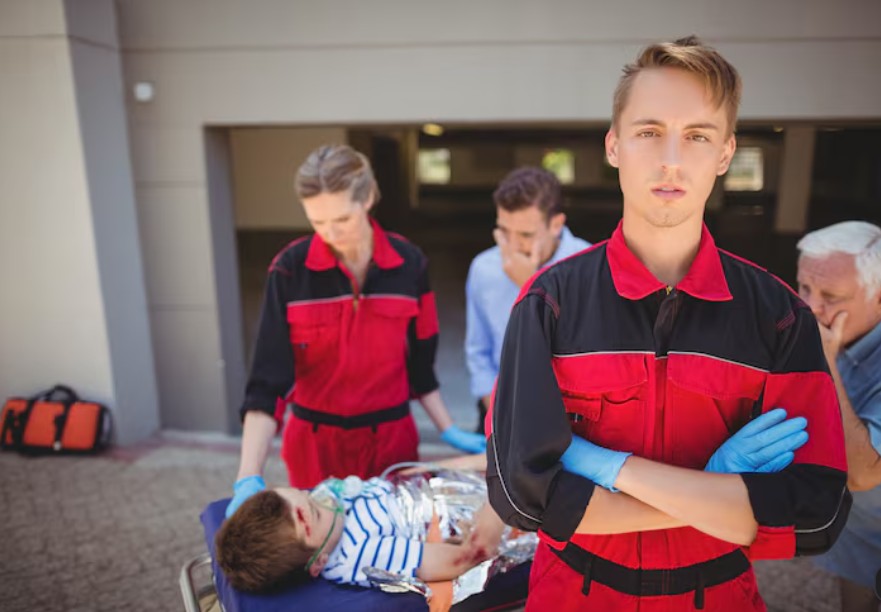
A medical emergency at work can quickly disrupt normal operations, especially when employees are unsure of what to do next. Someone may collapse during a meeting, suffer an injury while handling equipment, or experience a sudden medical condition that requires immediate attention. Businesses and organisations in Hobart need more than basic safety policies to manage such situations effectively. Practical emergency preparedness training helps employees recognise risks, respond confidently, and provide appropriate assistance until professional medical services arrive.
Investing in First Aid Courses Hobart gives businesses an opportunity to develop essential emergency response skills while strengthening workplace safety practices. From small offices to large commercial facilities, organisations can benefit from employees who understand their responsibilities during unexpected incidents.
Building a Strong Foundation for Workplace Emergency Preparedness
Identifying possible risks and comprehending the kinds of accidents that could happen in a certain workplace are the first steps in emergency preparation. A construction site may face risks involving machinery and physical injuries, while an office environment may encounter medical emergencies, falls, or electrical incidents.
To find susceptible areas and choose the best safety precautions, businesses should regularly do risk assessments. These assessments can guide decisions about emergency equipment, evacuation procedures, and employee training requirements.
Professional first aid training Hobart programs can help employees develop practical skills for responding to common workplace emergencies. Training also encourages workers to remain calm, assess situations carefully, and avoid actions that could create additional risks.
Essential First Aid Skills Every Workplace Should Develop
Employees do not need medical backgrounds to learn basic emergency response techniques. Structured training introduces participants to practical procedures that may help protect an injured or unwell person while emergency assistance is arranged.
Cardiopulmonary resuscitation, commonly known as CPR, is particularly valuable because cardiac arrest can occur without warning. Employees who understand CPR and automated external defibrillator procedures may be better prepared to assist during a cardiac emergency.
Other important skills include managing bleeding, recognising signs of shock, responding to burns, and providing initial care for fractures or sprains. Training may also cover choking incidents, seizures, and situations involving unconscious individuals.
Through first aid training Hobart, participants can practice these procedures in supervised learning environments, helping them develop greater confidence when responding to emergencies.
Creating Effective Emergency Response Plans
Having trained employees is important, but organisations also need clear emergency response plans. These plans establish responsibilities, communication procedures, and practical actions for different emergency scenarios.
Every workplace should identify suitable evacuation routes, assembly areas, and methods for contacting emergency services. Employees should understand where first aid kits, fire extinguishers, and other emergency resources are located.
Designating responsible personnel can improve coordination during unexpected incidents. However, emergency procedures should remain simple enough for all employees to understand and follow.
Regularly reviewing emergency plans allows businesses to address changes in workplace layouts, staffing arrangements, and operational activities.
Preparing Employees Through Practical Emergency Exercises
Reading safety instructions cannot fully reproduce the pressure of a real emergency. Practical exercises give employees opportunities to apply their knowledge in controlled situations and identify areas requiring improvement.
Workplace drills may involve simulated medical incidents, evacuation exercises, or scenarios requiring communication between different departments. These activities help participants understand their roles and recognise potential delays in emergency procedures.
For example, a simulated workplace injury may reveal that employees are unfamiliar with the location of first aid supplies. Another exercise might identify communication difficulties when contacting designated emergency personnel. Organisations can use these observations to improve procedures and strengthen overall preparedness.
Supporting Workplace Safety Responsibilities in Tasmania
Businesses operating in Hobart must consider their responsibilities under applicable Tasmanian work health and safety requirements. Appropriate first aid arrangements depend on factors such as workplace hazards, employee numbers, and access to emergency services.
Employers should ensure that suitable first aid equipment, facilities, and trained personnel are available based on workplace needs. Training records and certification requirements should also be reviewed regularly.
A proactive approach to workplace safety demonstrates that employee wellbeing is an important organisational priority. It can also help businesses maintain consistent safety standards across different locations and departments.
Maintaining Emergency Readiness Through Continuous Training
Emergency preparedness requires ongoing attention rather than a single training session. Employees may forget procedures over time, while new equipment, changing workplace conditions, and staff turnover can introduce additional challenges.
Regular refresher training helps workers maintain practical skills and remain familiar with current emergency response recommendations. Businesses should also inspect first aid supplies, update emergency contact information, and review incident reporting procedures.
Workplace awareness may be further increased by encouraging staff members to report risks and take part in safety conversations.
Conclusion
Emergency preparedness training is an essential part of creating safer workplaces throughout Hobart. Businesses and organisations that invest in practical first aid education, clear response procedures, and regular emergency exercises can improve their ability to manage unexpected incidents. By developing employee confidence and maintaining appropriate safety arrangements, organisations can build a workplace culture where emergency readiness becomes a shared responsibility.
